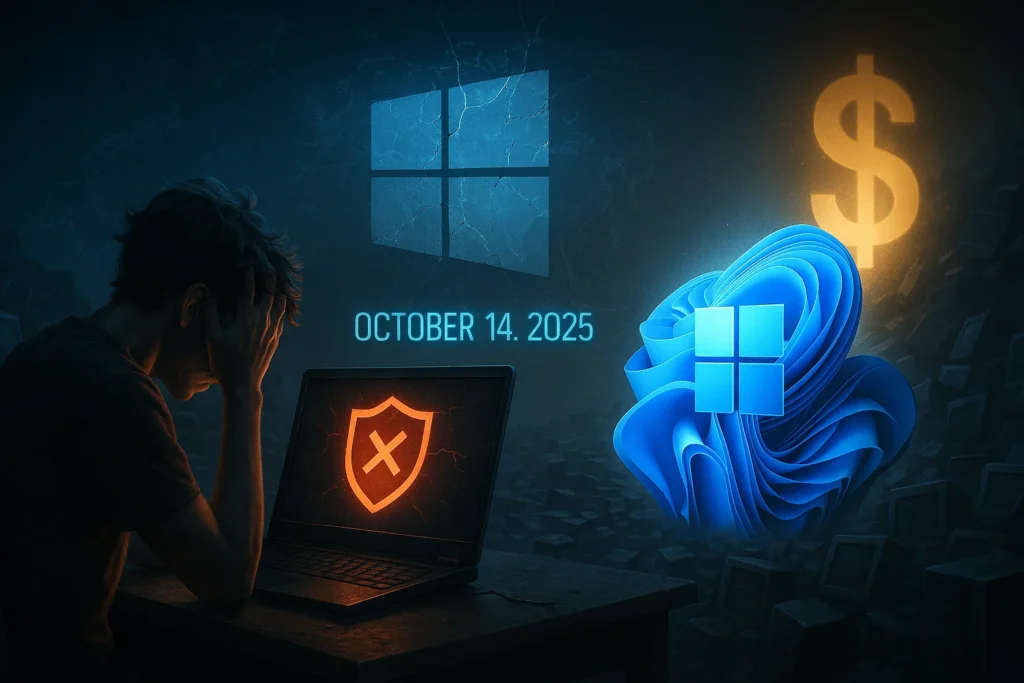

Millions of people around the world still use Windows 10, but Microsoft will stop giving free security updates for this system on October 14, 2025. This means that computers running Windows 10 will no longer get protection against new viruses and cyberattacks.
The consumer group Consumer Reports has written a letter to Microsoft’s CEO, Satya Nadella, asking the company to change its decision. They want Microsoft to keep giving free security updates for Windows 10 because many users still rely on it. According to the group, ending free support will leave countless people at risk, especially those whose computers cannot upgrade to Windows 11.
Why Consumer Reports is worried
Consumer Reports points to data showing that 46.2% of all computer users worldwide were still using Windows 10 in August 2025. That means almost half of the world’s PC users will be affected when support ends.
Many of these computers cannot run Windows 11 because they don’t meet Microsoft’s strict hardware requirements. For example, some older processors and systems without special security chips are blocked from upgrading. Consumer Reports says this problem is unfair because it forces people either to buy a new computer or to pay extra fees to keep their old one safe.
Microsoft’s “hypocritical” approach
Consumer Reports has accused Microsoft of being “hypocritical.” The company tells customers that security is important, but then it is ending support for Windows 10, which leaves millions of users exposed to cyber threats.
They also criticized Microsoft for charging $30 per year for what they call “a very basic extension” of security updates. Consumer Reports argues that this fee is unfair, especially for people who already bought Windows 10 with the expectation of long-term support.
The group also pointed out that Microsoft’s free support options mostly require people to use other Microsoft products, which helps the company gain more market share against its competitors.
Wider impact: e-waste and social concerns
The problem is not only about cybersecurity. Ending Windows 10 support could also create a huge amount of electronic waste (e-waste).
Another advocacy group, the Public Interest Research Group (PIRG), has joined Consumer Reports in asking Microsoft to extend free support. PIRG estimates that around 400 million working computers will be thrown away because they cannot upgrade to Windows 11, even though they are still usable.
This raises environmental concerns about waste and pollution, as well as social concerns about millions of people who rely on older computers but cannot afford new ones.
The challenge of moving to Windows 11
Microsoft says that upgrading to Windows 11 is the safest option because it has stronger built-in security. But the problem is that many people simply cannot upgrade due to hardware barriers.
Consumer Reports argues that Microsoft’s plan does not consider people who do not have the money to replace their devices. For these users, the only option left will be to continue using Windows 10 without updates, which could be dangerous.
The $30 yearly fee for extended support also creates financial stress, especially for families, students, or small businesses already struggling with costs. Consumer Reports believes security updates should remain free until most users have safely moved to newer systems.
What happens next
With the October 14, 2025 deadline getting closer, Microsoft has not yet made any public response to the requests from Consumer Reports or PIRG.
The debate highlights a growing problem: software is being supported for shorter periods, while hardware requirements for new versions are getting stricter. This leaves millions of people behind, especially those with older but still working computers.
For now, the future of Windows 10 users remains uncertain. If Microsoft does not change its plans, millions could face security risks, higher costs, and unnecessary electronic waste.
For the Best Money saving Online shopping deals, JOIN our Telegram Channel https://t.me/crazziee_stuff1