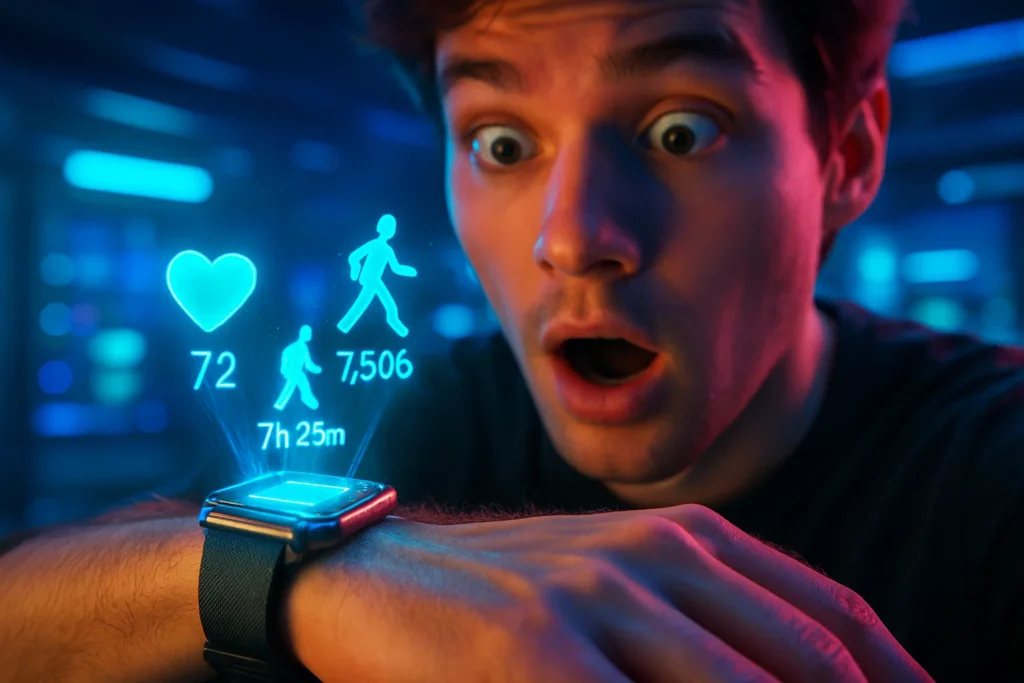

Smartwatches have evolved far beyond just telling time. Today, they act as personal health companions, offering real-time monitoring of vital metrics such as heart rate, daily activity, and sleep patterns. By collecting and analyzing this data, smartwatches help users make informed decisions about their health, improve fitness levels, and even detect potential medical issues early. In this article, we will explore how smartwatches track these key metrics and how they can positively influence overall health.
How Smartwatches Track Heart Rate
Smartwatches use a technology called photoplethysmography (PPG) to monitor heart rate. This method involves shining a small light onto the skin and detecting changes in light absorption caused by blood flow. As the heart pumps blood through the wrist, the watch measures subtle variations in light reflection and converts them into a continuous heart rate reading.
Benefits of Heart Rate Monitoring
- Real-Time Feedback: Continuous heart rate monitoring allows users to see how their heart responds to different activities. Whether during workouts or daily routines, this data helps optimize performance and prevent overexertion.
- Stress Management: Sudden increases in heart rate can indicate stress or anxiety. Smartwatches can alert users to these spikes, allowing them to practice breathing exercises or take short breaks to manage stress levels.
- Health Alerts: Advanced smartwatches can detect irregular heart rhythms, such as atrial fibrillation. Early alerts enable users to consult doctors promptly, potentially preventing serious complications.
Step Tracking and Physical Activity
Step counting is one of the most common smartwatch features. Using accelerometers and gyroscopes, the watch detects movement in three dimensions. It calculates steps, distance traveled, and sometimes even calories burned.
Importance of Step Tracking
- Encourages Physical Activity: Daily step goals motivate users to stay active. Walking, even in short bursts, can improve cardiovascular health, increase energy levels, and support mental well-being.
- Tracks Progress: Smartwatches record step counts over days, weeks, and months. This allows users to monitor progress, compare trends, and set realistic goals for improvement.
- Supports Weight Management: Step tracking provides insight into daily activity, helping users balance caloric intake and expenditure to manage weight effectively.
Sleep Tracking and Its Health Benefits
Smartwatches can also monitor sleep by combining motion detection with heart rate variability. This allows the device to identify different sleep stages: light, deep, and REM sleep. Tracking sleep patterns can highlight irregularities and provide actionable advice for better rest.
Advantages of Sleep Tracking
- Identifies Sleep Disorders: Irregular sleep patterns or frequent awakenings can indicate conditions such as sleep apnea or insomnia. Early detection can lead to proper medical consultation.
- Improves Sleep Quality: By understanding when deep sleep occurs, users can adjust their bedtime routines, reduce late-night screen exposure, and create an environment conducive to restful sleep.
- Enhances Daytime Alertness: Better sleep directly improves cognitive function, mood, and productivity during the day. Smartwatches help identify areas where sleep hygiene can be improved.
Integration of Health Data
Modern smartwatches integrate heart rate, steps, and sleep data to provide a holistic view of health. Many devices offer health dashboards that display trends over time, suggested workouts, and insights into recovery or stress levels.
Benefits of Integrated Monitoring
- Personalized Health Insights: Combining multiple health metrics allows for customized recommendations. For example, a day of low activity combined with poor sleep can trigger suggestions for light exercise and improved sleep hygiene.
- Early Detection of Health Issues: Continuous monitoring makes it easier to spot abnormal trends, such as persistently high resting heart rates or disrupted sleep patterns, allowing timely medical intervention.
- Motivation to Maintain Healthy Habits: Seeing progress across multiple metrics motivates users to maintain routines such as consistent exercise, balanced activity, and proper sleep schedules.
Advanced Features and Future Trends
Many smartwatches now include blood oxygen monitoring, ECG measurements, stress tracking, and menstrual health insights, expanding their role beyond basic activity tracking. With AI-driven algorithms, future devices may predict potential health risks, provide personalized coaching, and integrate more seamlessly with healthcare providers.
Conclusion
Smartwatches have become indispensable tools for personal health management. By tracking heart rate, steps, and sleep patterns, they provide insights that empower users to make better health choices, detect problems early, and maintain healthier lifestyles. As technology continues to advance, these devices will only become more accurate, comprehensive, and integral to proactive health management.
For the Best Money saving Online shopping deals, JOIN our Telegram Channel https://t.me/crazziee_stuff1