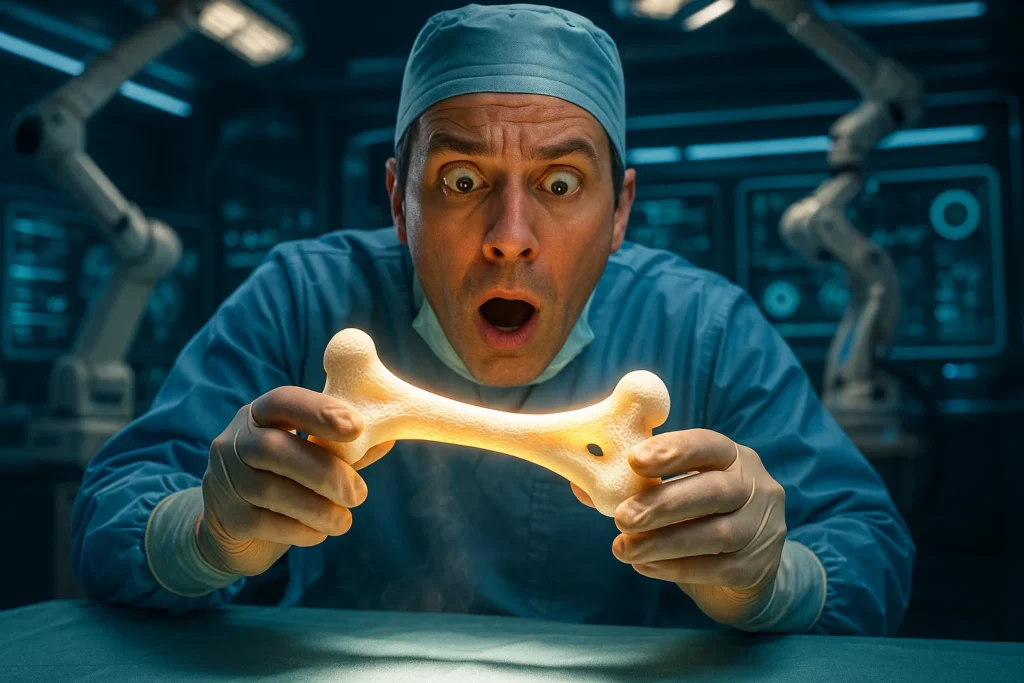

In the world of medicine, 3D printing has opened up new possibilities for treating bone injuries and diseases. Doctors and researchers are now experimenting with 3D-printed bone implants that can be used to replace damaged or missing bones in the human body. These implants are custom-made to fit each patient’s unique anatomy, offering a more personalized and effective solution compared to traditional methods.
What Are 3D-Printed Bone Implants?
3D-printed bone implants are artificial bones created using 3D printing technology. This process involves using a digital model of the patient’s bone to print a custom implant layer by layer. The materials used for these implants are often biocompatible, meaning they are designed to work well with the human body without causing adverse reactions.
One of the key advantages of 3D-printed bone implants is their ability to mimic the natural structure of bone. For instance, researchers at the University of Sydney have developed a nanoscale 3D printing technique that can replicate the intricate structures found in natural bone, potentially improving the integration of the implant with the surrounding bone tissue.
How Are 3D-Printed Bone Implants Made?
The process of creating a 3D-printed bone implant begins with obtaining detailed images of the patient’s bone structure, typically through CT scans or MRIs. These images are then used to create a precise digital model of the bone. Using this model, a 3D printer constructs the implant layer by layer, using materials such as titanium, ceramics, or biodegradable polymers.
The choice of material depends on the specific requirements of the implant. For example, titanium is often used for its strength and durability, making it suitable for weight-bearing bones. Biodegradable materials, on the other hand, are used for implants that are intended to degrade over time as the patient’s natural bone heals and regenerates.
Applications of 3D-Printed Bone Implants
3D-printed bone implants have a wide range of applications in medicine:
- Trauma and Accident Injuries: In cases where bones are severely fractured or shattered, traditional methods may not provide a perfect fit. 3D-printed implants can be custom-made to match the exact shape and size needed, leading to better outcomes.
- Cancer Treatment: Patients undergoing surgery to remove bone tumors may require reconstruction of the affected area. 3D-printed implants can restore the bone’s structure and function.
- Congenital Defects: Some individuals are born with bone deformities that can be corrected using 3D-printed implants tailored to their specific needs.
- Dental Applications: In dentistry, 3D printing is used to create implants for patients with missing teeth or jawbones, improving both function and aesthetics.
Benefits of 3D-Printed Bone Implants
The use of 3D-printed bone implants offers several advantages:
- Personalized Fit: Since the implants are custom-made based on the patient’s anatomy, they fit more precisely than standard implants, reducing the risk of complications.
- Faster Recovery: Better-fitting implants can lead to quicker healing times and less postoperative discomfort.
- Reduced Risk of Rejection: Biocompatible materials and precise design minimize the chances of the body rejecting the implant.
- Complex Repairs: 3D printing allows for the creation of complex shapes that would be difficult or impossible to achieve with traditional manufacturing methods.
Challenges and Considerations
Despite the promising benefits, there are challenges associated with 3D-printed bone implants:
- Regulatory Approval: Each implant must undergo rigorous testing and approval processes to ensure safety and efficacy, which can be time-consuming.
- Cost: The technology and materials involved in 3D printing can be expensive, potentially making these implants less accessible.
- Long-Term Performance: While short-term results are promising, long-term data on the durability and performance of 3D-printed bone implants are still being gathered.
- Technical Expertise: The process requires specialized knowledge and equipment, which may not be available in all medical facilities.
Future Outlook
The field of 3D-printed bone implants is rapidly evolving. Ongoing research aims to improve materials, printing techniques, and integration with natural bone tissue. As technology advances, it’s expected that these implants will become more widely available and accessible to patients in need.
In summary, 3D-printed bone implants represent a significant advancement in medical technology, offering personalized solutions for bone repair and reconstruction. While challenges remain, the potential benefits make this an exciting area of development in the field of medicine.
For the Best Money saving Online shopping deals, JOIN our Telegram Channel https://t.me/crazziee_stuff1